
Hand-planing white oak, Peoria studio
White oak. Black walnut. Prairie horizon lines. The joint is the ornament.
I grew up in a farmhouse outside Galesburg, Illinois where the prairie ran unbroken to the edge of sky. Everything was horizontal. The land didn't rise — it stretched. That's the first geometry I learned.
At eleven, I found a stack of Frank Lloyd Wright's Usonian drawings in my grandfather's workshop — a man who built barns with mortise-and-tenon joints so tight they didn't need glue. I spent three weeks trying to copy one joint from a photograph. I failed seventeen times.
"The eighteenth time, the joint pulled tight with a sound like a sentence finishing itself. I knew then what I was going to spend my life doing."
That failed joint lives in a glass box in the studio today. Every commission starts with the apprentice looking at it.
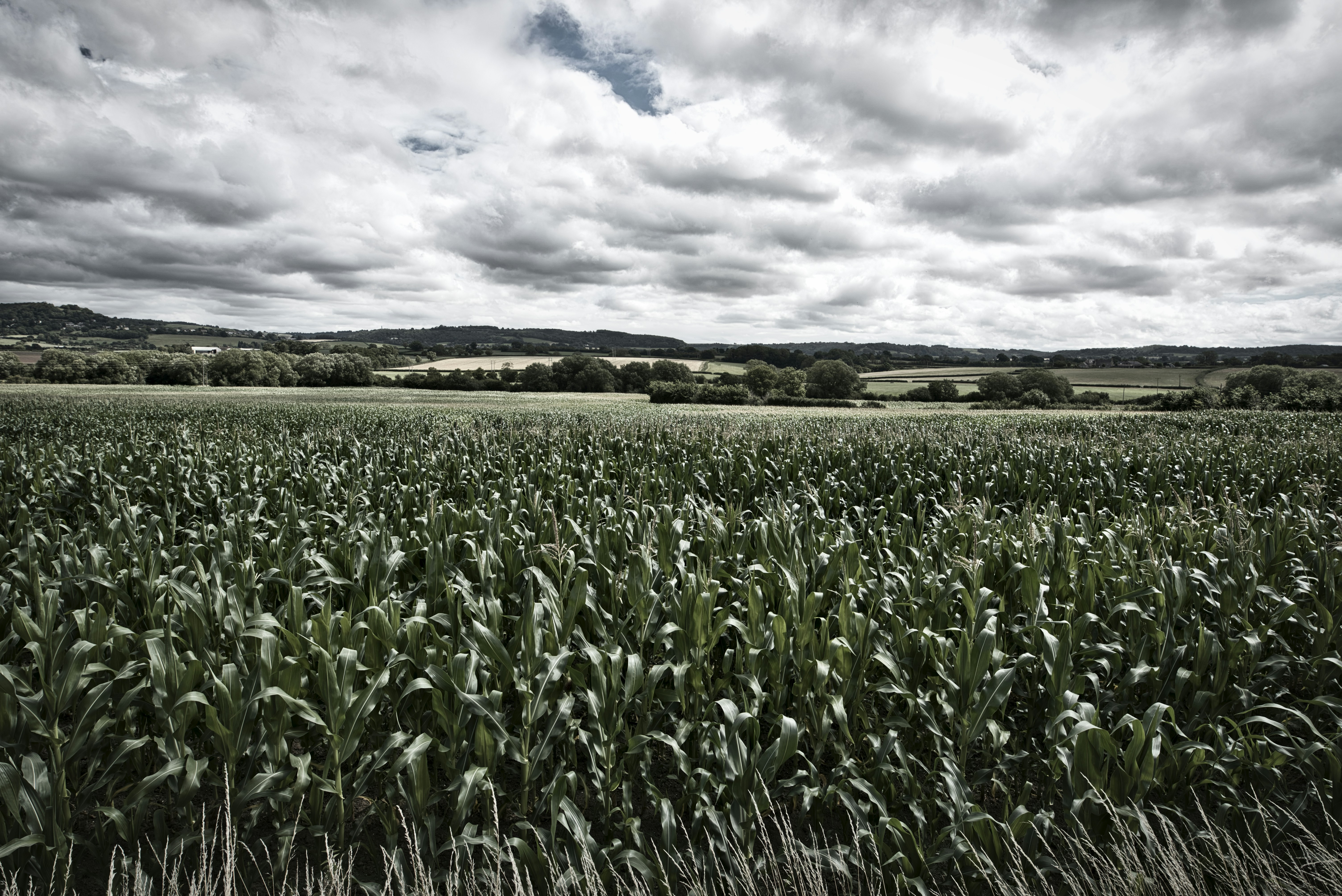
White oak argues with walnut the way a prairie horizon argues with a storm front. The tension between them is the design.
Quercus alba
Sourced from small family mills in Wisconsin and southern Illinois. White oak carries the medullary rays that Frank Lloyd Wright called "the natural ornament of the wood." We use it for table tops, credenza faces, and anywhere the grain itself is the statement.
Signature joints
Juglans nigra
Air-dried for a minimum of three years in our Peoria yard. Walnut's near-black heartwood creates the geometric contrast that makes inlay patterns visible from across a room. We use it for legs, inlay strips, and structural elements where darkness is structural.
Signature joints
White oak field · Walnut inlay strips · Violet: geometric accent joints
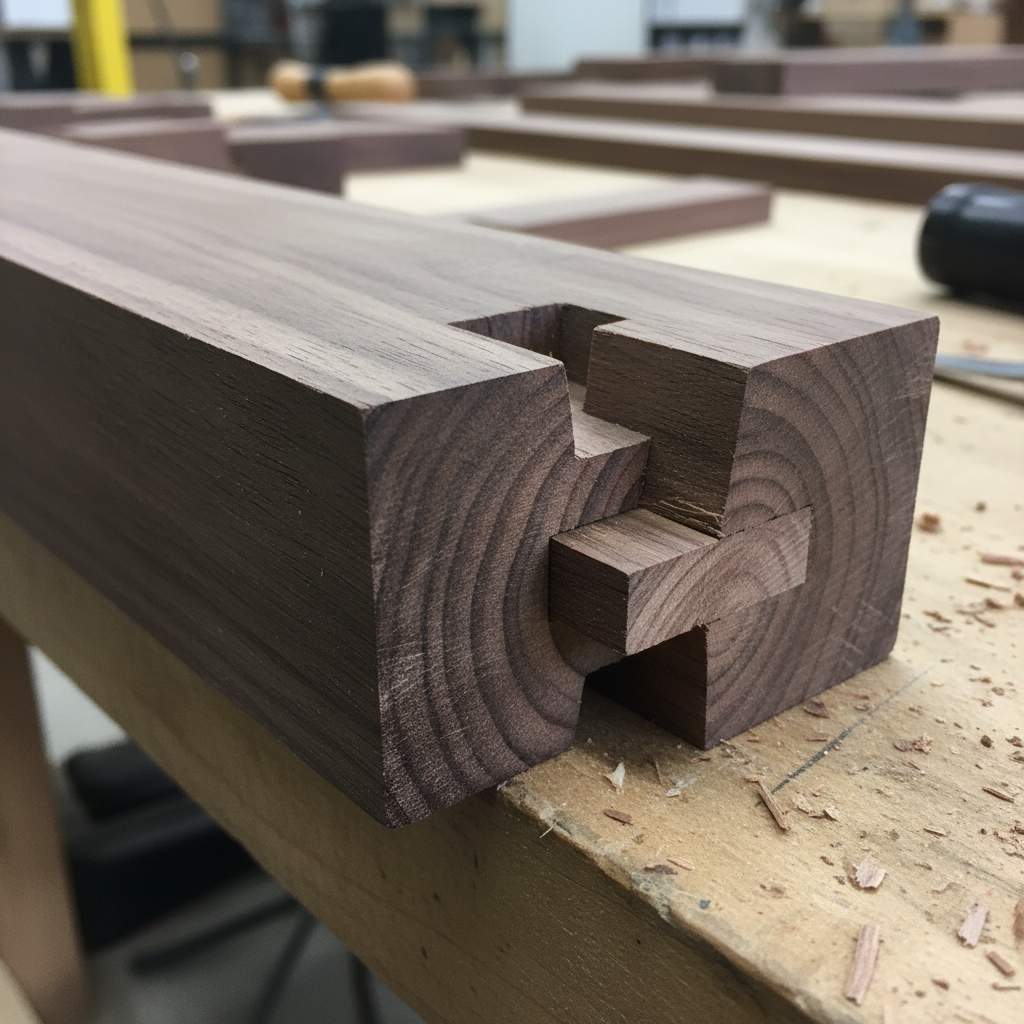
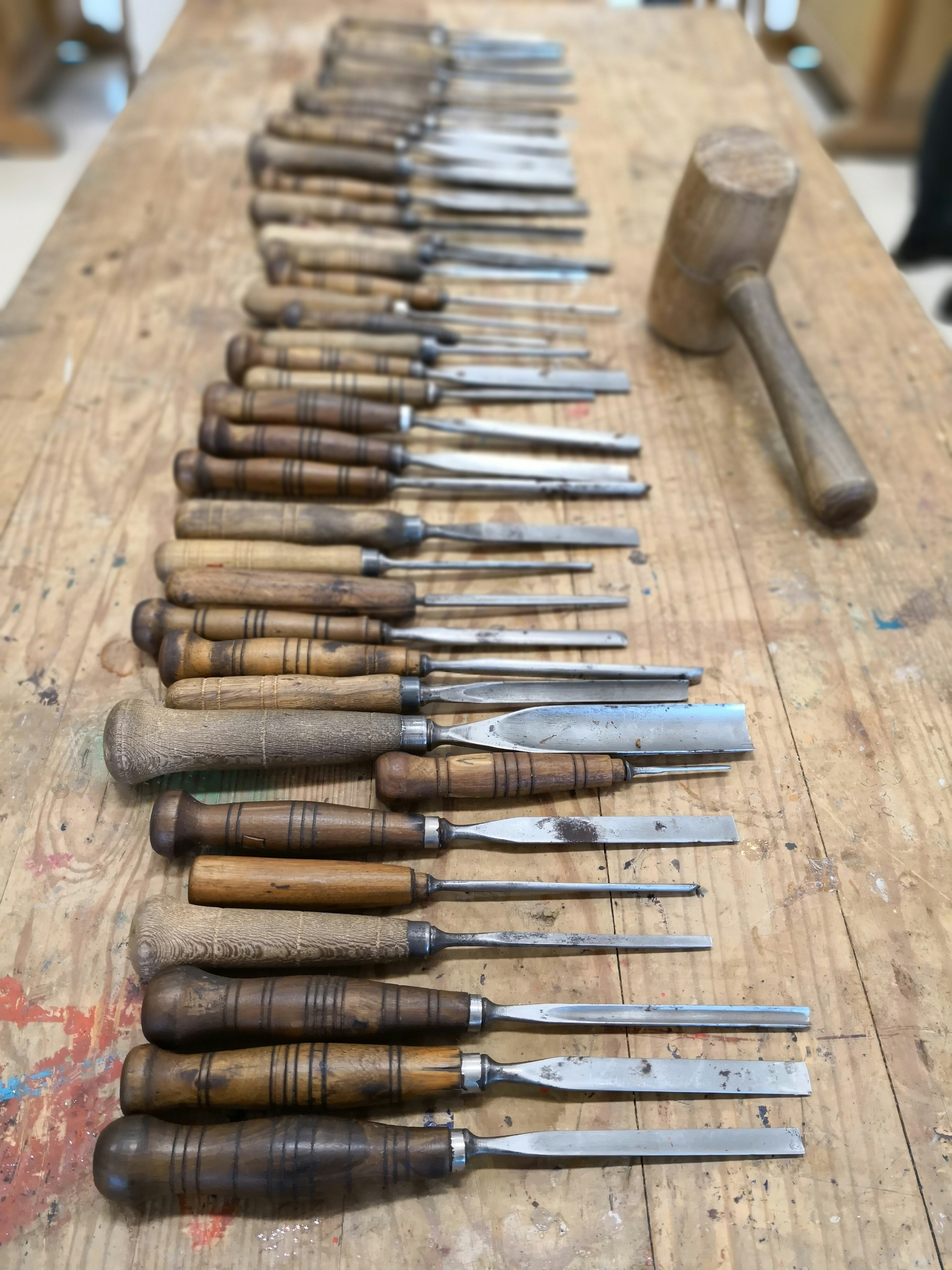
The studio occupies a former farm implement building outside Peoria. The ceiling is eighteen feet. The dust collector runs seven hours a day. There are three people: myself, my apprentice Marcus, and a retired pattern-maker named Dorothea who hand-cuts every inlay.
We don't use CNC. Every joint is hand-cut to within a quarter millimeter. That's not craft nostalgia — it's because machine-cut joints have no character, no slight compression fit that makes a table feel solid for a hundred years.
Twelve joints illustrated by hand. Mortise and tenon, wedged tusk tenon, butterfly key, sliding dovetail, spline miter — each drawn at 1:1 scale with notes on why we choose it and where it lives in the collection.
Every piece is made to commission. Lead time is 14–22 weeks. No two pieces are identical — the wood decides.
Browse the Lookbook →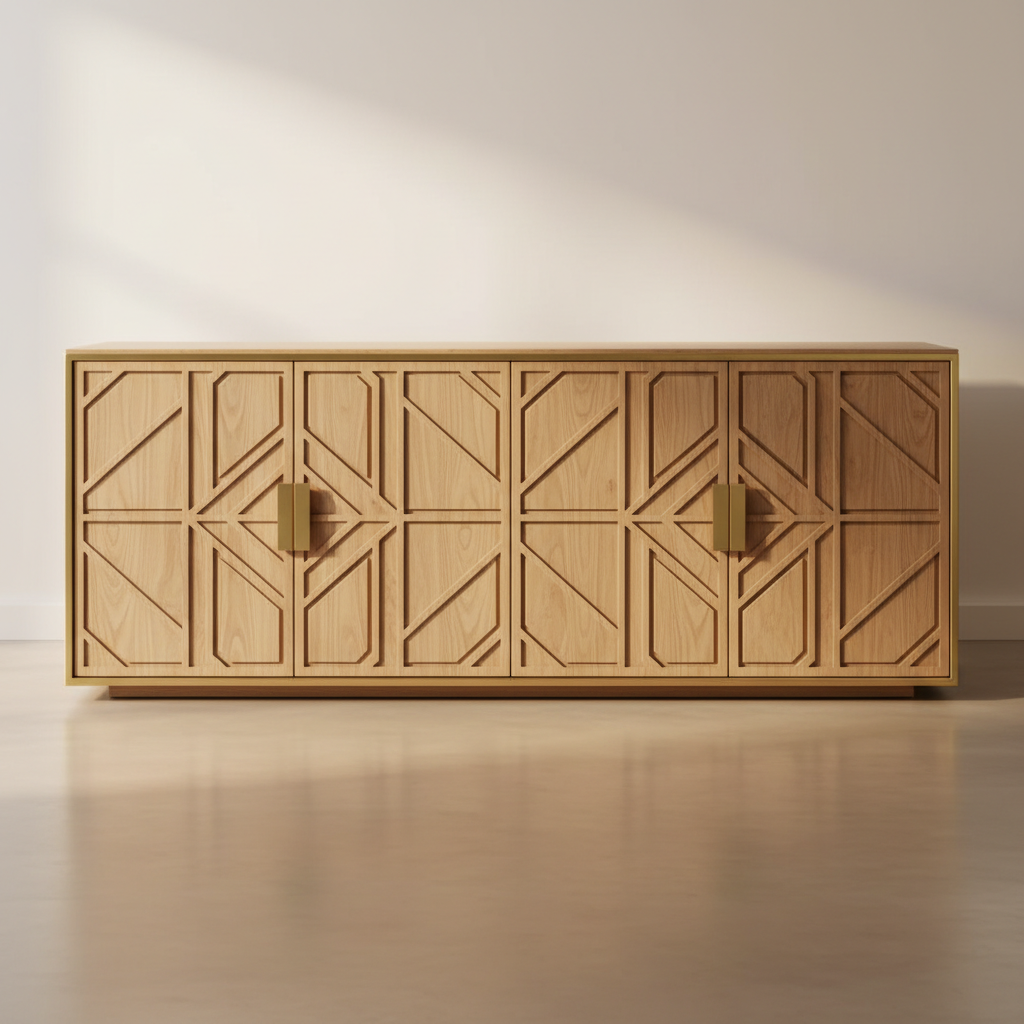
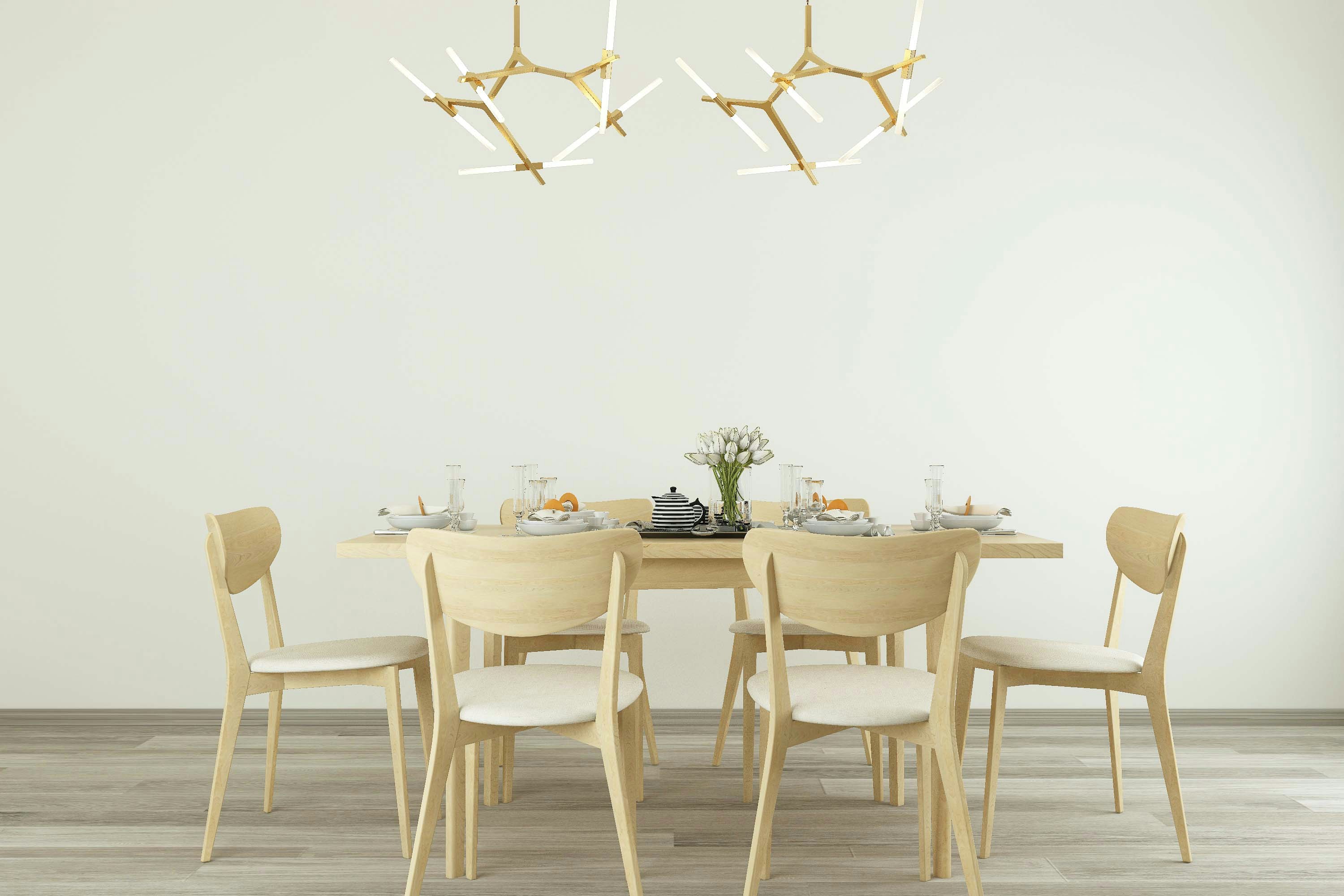
84" × 18" × 32"
Twelve-panel geometric inlay. Sliding dovetail drawer banks. Butterfly keys at panel joints.
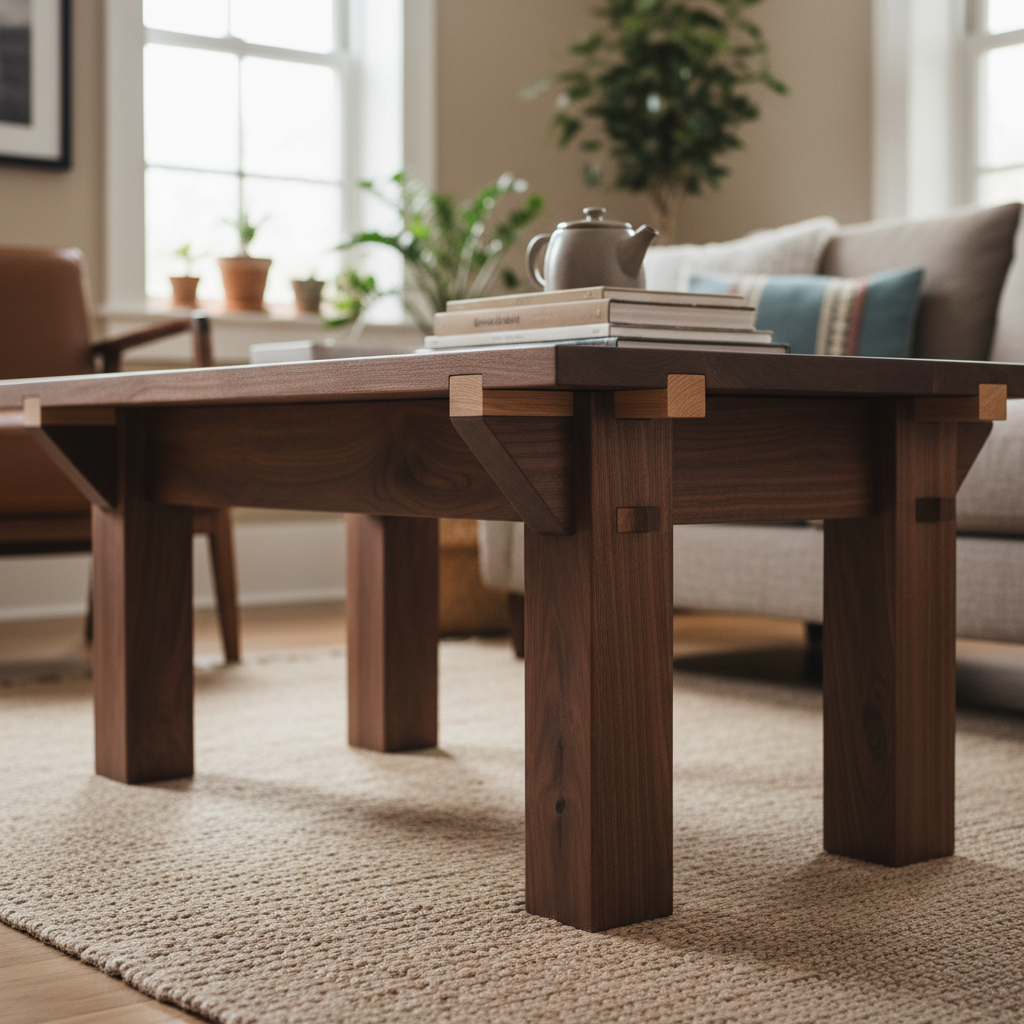
96" × 42" × 29"
Breadboard ends with through-tenons. Visible wedge. Prairie horizon inlay at centerline.
24" × 24" × 22"
Wedged tusk tenon stretcher. Splined miter top. Single-piece walnut top.
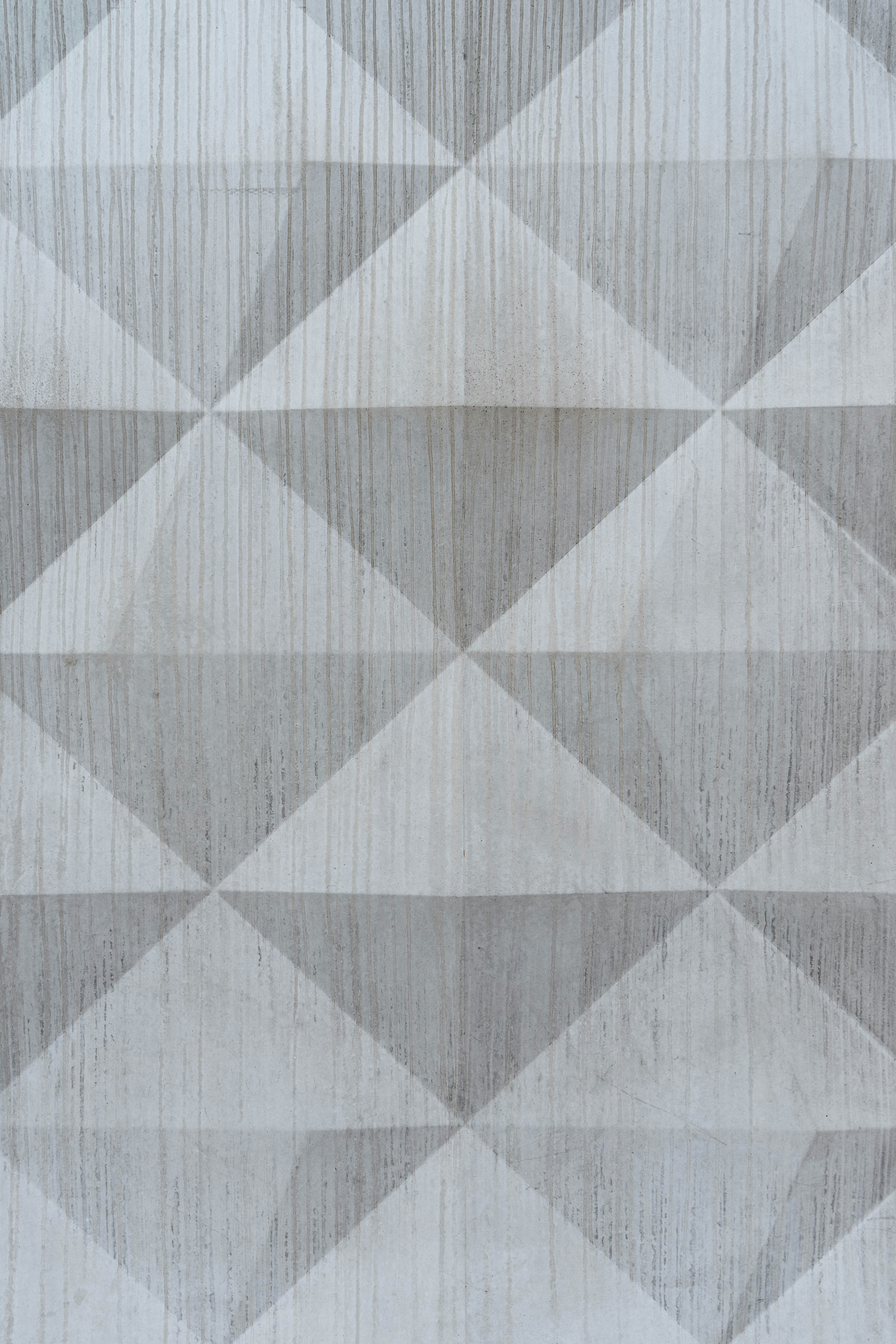
48" × 12" × 36"
Diamond-pattern door inlay in walnut. Mortise-and-tenon frame. Hand-cut brass escutcheons.
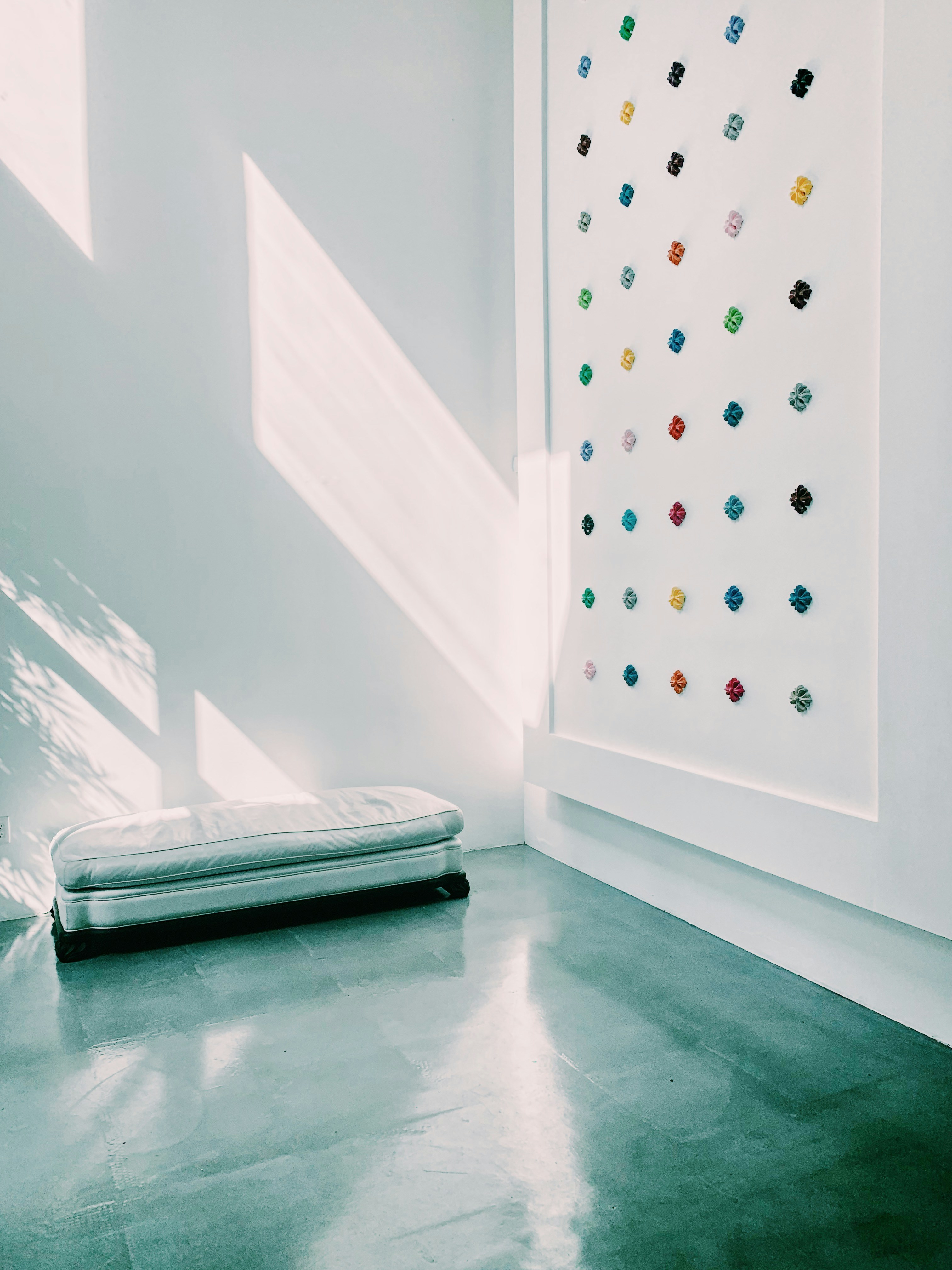
72" × 16" × 16"
Trestle base with through-wedged tenon. Breadboard ends. Horizontal emphasis — the prairie line.
"I've furnished three houses. The Horizon Dining Table is the first piece that made my architect friends run their fingers along the edge and ask who made it."
Margaret Okonkwo
Interior designer, Chicago
"The through-tenon detail is visible from across the room and still precise enough to study with a loupe. That's an unusual combination in contemporary furniture."
David Reinholt
Architect, Reinholt + Marsh, Minneapolis
The Joinery Field Guide is a free illustrated PDF — twelve signature joints from the collection, each drawn at 1:1 scale with construction notes and the story of why we use them.
It's the document I wish had existed when I was standing in my grandfather's workshop trying to cut that first mortise. First name and email. That's it.
Joinery Field Guide
Free · Illustrated · 24 pages